
Tallinn · nutrition, sleep and healthy ageing
Eat well, sleep better, age stronger
Evidence-informed guidance for adults in Estonia — meals built from vegetables, berries, whole grains, fish, nuts and seeds, a bedtime that holds, and energy that lasts past noon.
What this lab is for
A week that actually works
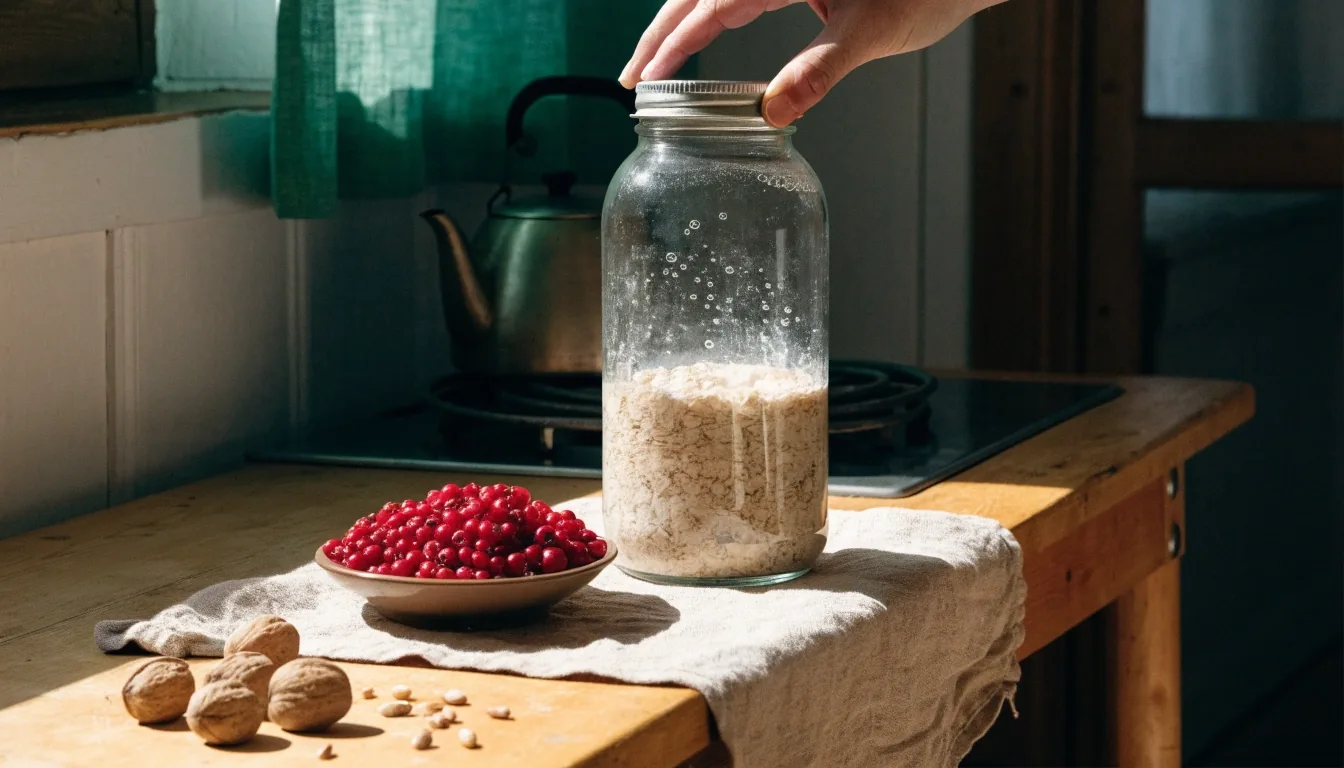
Most adults here don't need a miracle diet. They need meals assembled from vegetables, berries, whole grains, fish, unsweetened dairy, nuts and seeds; a bedtime that doesn't slide; and enough movement to keep energy steady through the afternoon. Body Care & Wellness Core reads the nutrition and ageing research, then translates it into routines that fit a Tallinn kitchen, a desk job, and a real schedule.
We start from Estonia's own food-based dietary guidelines, which name those everyday foods as the base and ask people to cut back on sugary snacks and drinks. That's a plain local framework, and it's where most of our practical advice sits. No supplements, no detox plan. The work is closer to plumbing: find the small leaks in how you eat and rest, then fix them in order.
Coverage
Nutrition, sleep, recovery and the habits tied to healthy longevity.
Starting point
Estonian food-based dietary guidelines, applied to a normal week.
Not on offer
Supplement stacks, cleanses, or anything sold as a shortcut.
The Estonian picture matters
Life expectancy here rose from 71.1 years in 2000 to 78.6 years in 2020. Real progress. But disability-free life expectancy has stalled around 54 to 57 years since 2008, and more than half of adults aged 16 to 64 were overweight or obese in 2020, with nearly one in five adults obese — among the higher rates in the EU.
The gap isn't years lived. It's years lived well. That gap is what this site is about.
2000 → 2020
71.1 → 78.6
Years of life expectancy, from 71.1 to 78.6.
Since 2008
54–57
Disability-free years, broadly flat for over a decade.
Adults, 2020
1 in 5
Adults obese, among the higher rates in the EU.
Figures from Estonia's national health profile and European healthy-ageing reporting.
The everyday base
Start with the plate, not the scale
A genuinely healthy daily menu looks ordinary. Here is the base Estonian guidance names, and why each column earns its place in a week of real meals.
Blackcurrants, lingonberries and blueberries fit local seasons and add variety without much effort.
- Fresh in late summer, frozen the rest of the year
- Stirred into porridge or plain yoghurt
Rye and oats carry fibre and steady energy through the morning better than refined bread.
- Rye or oat porridge with berries and seeds
- Whole-grain bread instead of white at lunch
Healthy fats, fibre and micronutrients in a small portion — an afternoon snack that holds.
- A small handful instead of a sweet drink
- Pumpkin and sunflower seeds over salads
The lunch anchor: fish or legumes with vegetables and a whole grain, most days of the week.
- Baltic herring, salmon or a bean stew
- Unsweetened dairy or a plain alternative
If you only change one thing this month, change what's in the cupboard when you're tired. That's where the default snack gets decided, and it's easier to fix a shelf than a willpower problem.
Reading order if you're new
Two or three guides is plenty for a first pass. Each one connects a habit to a reason and a local detail.
Breakfast
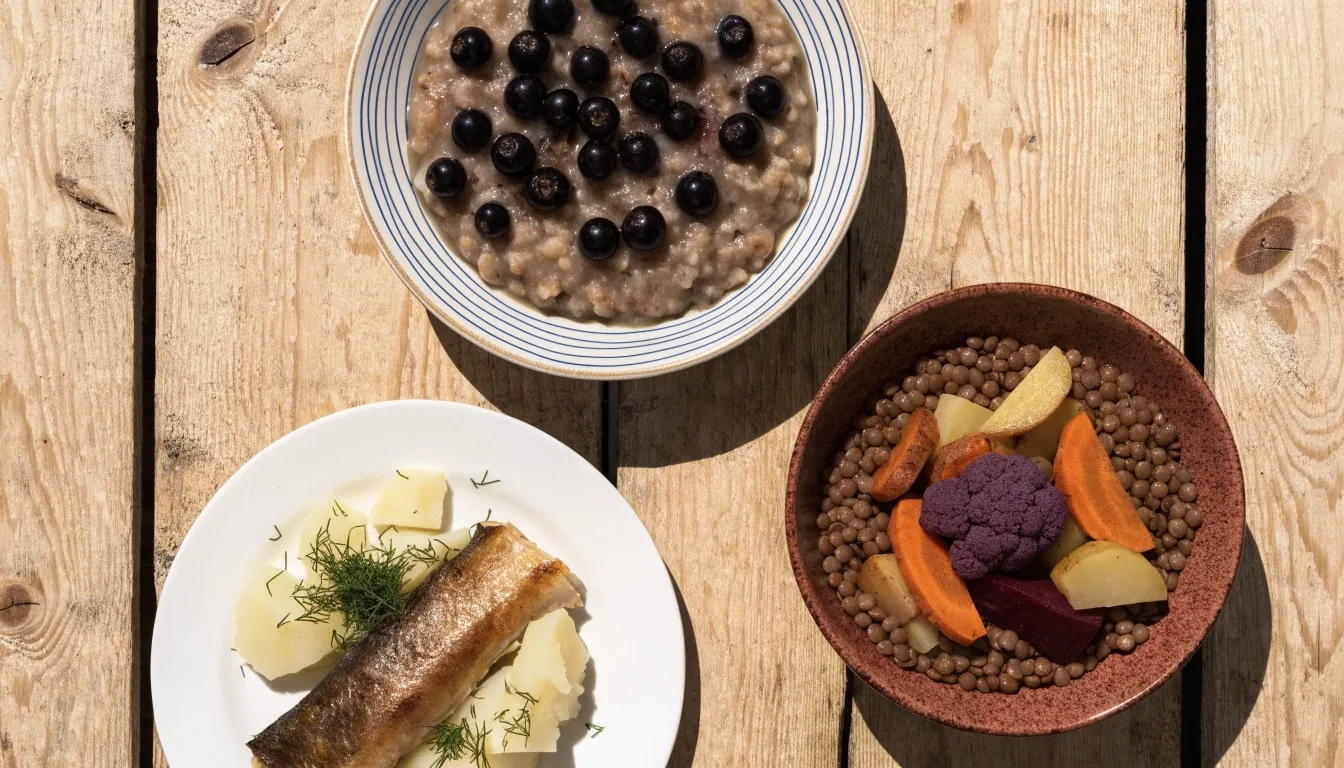
Rye or oat porridge, berries, a spoon of seeds. Coffee is fine; a third cup after noon usually isn't.
A whole day of ordinary food beats one perfect meal
Evening
Keep it lighter than lunch. A big late dinner and a short night reinforce each other.
Longevity is a lifestyle question
European public-health work on ageing treats nutrition as one of the key lifestyle determinants of active and healthy ageing, grouped with physical activity and smoking and alcohol patterns. That framing matters: the biggest levers are boring and repeatable, not exotic. A varied diet that includes both animal and plant foods, in the Mediterranean direction, shows up again and again in the research.
So does simply moving more. For older adults the guidance runs to 150 to 300 minutes of moderate-intensity activity per week, or 75 to 150 minutes of vigorous activity — a walk most days, plus something that raises your heart rate twice a week.
Physical inactivity is one of the major risks flagged in European healthy-longevity policy, alongside malnutrition, overweight and obesity, falls and social isolation. None of those are fixed by a single food. All of them respond to routine.
What we do with the hard questions
Fasting and calorie restriction, handled honestly
Intermittent fasting and caloric restriction both appear in healthy-ageing nutrition reviews as longevity-related interventions, and both are usually discussed alongside exercise rather than as standalone fixes. They're interesting. They're also hard to sustain, and they don't suit everyone.
- We cover them as research topics with practical limits, not as trends to copy from a video.
- Eating windows and calorie targets interact with medication, sleep and training load — a clinician's opinion comes first if any of those apply.
- If a pattern makes your evenings anxious or your afternoons flat, it isn't working — whatever a study says about the average.
Sleep is part of the same system
Fixing dinner and fixing bedtime are usually the same project
Sleep hygiene and a steady circadian rhythm do more for daytime energy than most supplements. Consistent wake times, dim light in the evening, and a cool dark room are the basics — and appetite, cravings and afternoon fatigue all track with how well you slept.
The red hours are the eating window many people find easy to keep; the blue hours frame sleep and the wind-down before it.
Energy & fatigue prevention
When fatigue is a signal, not a personality
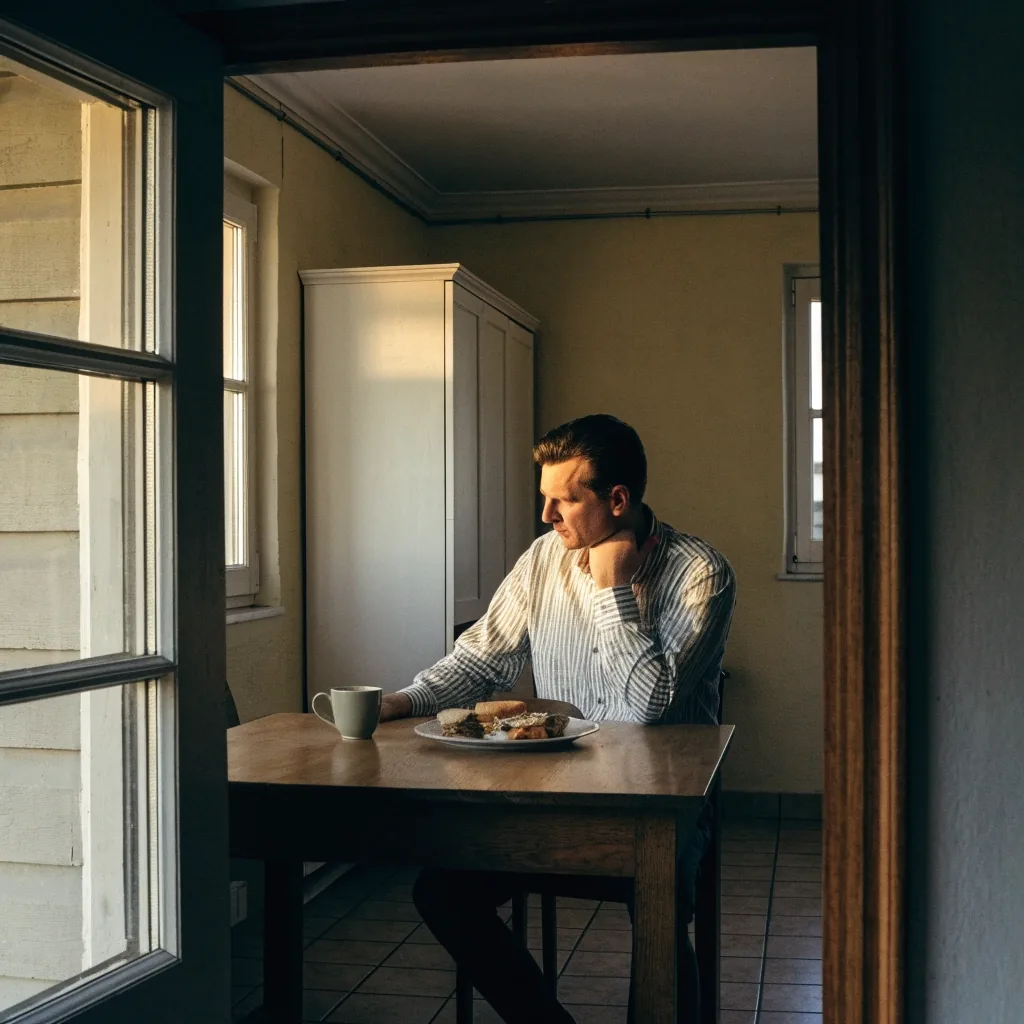
Afternoon crashes are common and often traceable: skipped breakfast, a carb-heavy lunch with no protein, too much coffee after noon, or a short night. Unbalanced nutrition and low movement both show up as low energy, and they tend to arrive together.
Worth testing first
Protein at lunch, a fixed wake time, a short walk after eating, and one fewer late coffee.
Worth a clinician
Fatigue that persists for weeks, or arrives with other symptoms, isn't a lifestyle puzzle — get it looked at.
Every guide connects a habit to a reason and a local detail.
How we write
Whether it's a berry season, the 150-minute weekly activity target, or the Estonian guidance on sugary drinks, the local detail does the work. We name limits when they exist, and we avoid promising outcomes we can't support. Nothing here is a diagnosis or a treatment plan.
Who this is for
Adults in Estonia who want to feel better in their forties, fifties and sixties, and who'd rather build habits than chase cures. If you're simply tired of guessing what to eat, you're in the right place. If you're managing a diagnosed condition, read this as background — your own clinician decides what changes.
Questions people ask before they start
Still unsure? Write to the lab and we'll point you at the right guide, or book a consultation and we'll look at your week together.
Ask a questionIs this medical advice?
No. Body Care & Wellness Core publishes educational, lifestyle-oriented guidance for adults in Estonia. It isn't diagnosis or treatment, and it doesn't replace care from your own doctor or dietitian.
Do I need supplements to follow this?
No. The advice is built on food first: vegetables, berries, whole grains, fish, legumes, nuts and seeds, plus sleep and movement. Supplements aren't the starting point here.
How long before I notice a change in energy?
It varies. Sleep timing and breakfast usually shift how afternoons feel within a couple of weeks for many people, while weight and longer-term markers move more slowly. We describe realistic expectations in each guide instead of promising timelines.
Can I use this if I have a health condition?
You can read it, but talk to your clinician before changing how you eat, especially with diabetes, kidney conditions, or medication that affects appetite. Fasting patterns in particular need a professional opinion first.
Start with one guide, or talk it through
Some people want a reading order. Others want a conversation about their own week — what's already working, what keeps slipping, and what to change first. Both are fine, and neither starts with a shopping list of products.
The lab
Body Care & Wellness Core
Liivalaia tn 45, 10145 Tallinn, Estonia
+372 683 5140
[email protected]
Monday to Friday, 9:00 AM – 6:00 PM